Big Data and AI Empower New Productivity in the Automotive Industry
I. The New Positioning of the Automotive Industry: From Transportation Tool to Intelligent Mobility
Traditional cars were merely “four wheels and two sofas” for getting around, while today’s intelligent cars are like supercomputers on wheels. Each intelligent car is equipped with hundreds of sensors, generating massive amounts of data daily, constantly learning and evolving, becoming a true “mobile intelligent entity.”
II. AI Integrated into the Entire Process of R&D, Production, Supply, Sales, and Service
(I) R&D: Making Innovation Faster and More Accurate
Traditional Model: Engineers draw blueprints and design, conduct countless real-vehicle crash tests, and develop a new car takes 3-5 years.
Intelligent Model: AI automatically generates 100 design schemes, and virtual simulation tests pass on the first try, shortening the R&D cycle by half.
– AI Design: Computers automatically generate the exterior and can adjust it according to user preferences.
– Virtual Testing: Digital twin technology completes all tests on a computer.
– Material Innovation: AI predicts the performance of new materials, accelerating R&D.
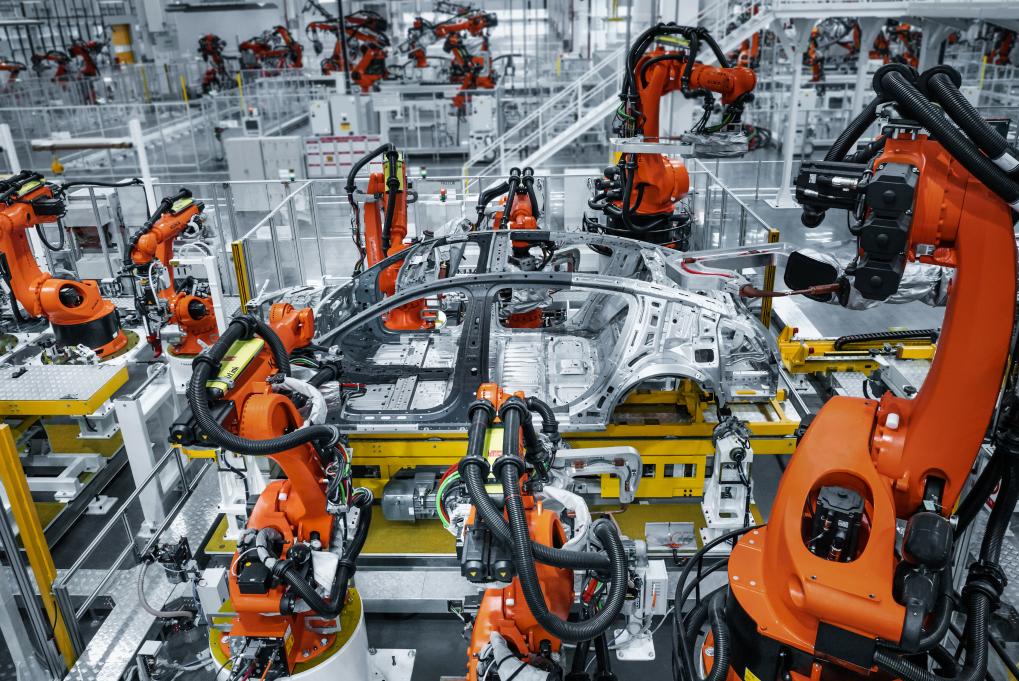
(II) Production: Building Smart Factories Traditional Factory: Fixed production lines, mass production of the same model.
Smart Factory: A single production line can produce 10 different car models simultaneously; robots work tirelessly 24/7.
– Equipment Monitoring: Machines automatically perform “check-ups,” identifying problems early.
– Quality Control: Cameras replace human eyes, detecting 100% of product defects.
– Flexible Production: Producing red sedans today can be switched to blue SUVs tomorrow.
(III) Supply Chain Links: Data-Driven Decision-Making
Traditional Supply Chain: Stockpiling based on experience, resulting in either shortages or overstocking.
Smart Supply Chain: Big data calculations are more accurate than humans, ensuring just the right amount of inventory.
– Demand Forecasting: [Further details needed] Analyzing historical data and social media, accurately predict how many cars will be sold next month
– Inventory optimization: AI automatically adjusts parts inventory, reducing capital occupation by 20%
– Risk warning: Real-time monitoring of the global supply chain to proactively address unforeseen circumstances
(IV) Sales Process: Precise Customer Connection
Traditional Sales: Salespeople’s needle-in-a-haystack sales tactics
Intelligent Sales: AI understands customer needs better than you do
– User profiling: Analyzing your driving habits to recommend the most suitable model
– Personalized service: Customizing exclusive solutions based on your budget and needs
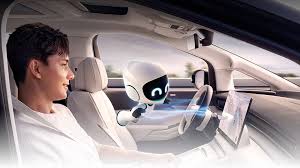
– Intelligent customer service: Robots are online 24/7, responding to your questions instantly
(V) Service Process: From Passive to Proactive
Traditional Service: Repairs only when the car breaks down, resulting in long waits.
Intelligent Service: Cars proactively remind you of maintenance needs, and most problems are solved remotely.
– Fault Prediction: The system detects potential problems in advance and proactively reminds you, “Your brake pads need replacing.”
– Remote Diagnosis: 80% of fault diagnosis can be completed on your mobile phone.
– Parts Delivery: AI predicts demand, and parts are delivered to repair shops in advance.
III. Key to Creating New Industrial Momentum
(I) Data is the Core Asset
Every intelligent car is a mobile data center; driving data, driving habits, and road condition information are all valuable assets. This data makes cars smarter with use and makes the entire industry more intelligent.
(II) AI Makes Everything Smarter
Machine learning enables cars to recognize traffic lights and avoid pedestrians; deep learning allows voice assistants to understand your dialect; reinforcement learning makes autonomous driving increasingly safe.
(III) Cross-Industry Integration Creates New Value
– Automobile + Internet: In-vehicle systems are as intelligent as smartphones
– Automobile + Energy: Electric vehicles can supply power to the grid in reverse
– Automobile + Finance: Pay-per-mile, less driving, less spending
IV. Changes Brought by New Productivity
For Enterprises:
– R&D costs reduced by 30%, efficiency increased by 50%
– Increased inventory turnover, reduced financial pressure
– Increased customer satisfaction, increased repurchase rate
For Consumers:
– Easier car buying: AI recommends the most suitable model
– More reassuring car use: Predictive maintenance avoids breakdowns on the road
More considerate experience: Voice control, automatic parking, and other cutting-edge technologies
For Industry:
– A leap from “manufacturing” to “intelligent manufacturing”
– From selling products to providing full lifecycle services
From going it alone to ecosystem-based collaborative development
V. Future Outlook
By 2025, the scale of China’s intelligent vehicle industry will exceed 2 trillion yuan, driving upstream and downstream industries to exceed 10 trillion yuan. Cars are no longer just a means of transportation, but mobile living spaces, working spaces, and entertainment spaces.
Big data and AI are reshaping the automotive industry, and China’s automotive industry is transforming from a follower to a leader, contributing “Chinese solutions” to the world. This is the new quality of productivity in the automotive industry, and also a microcosm of the transformation and upgrading of China’s manufacturing industry.